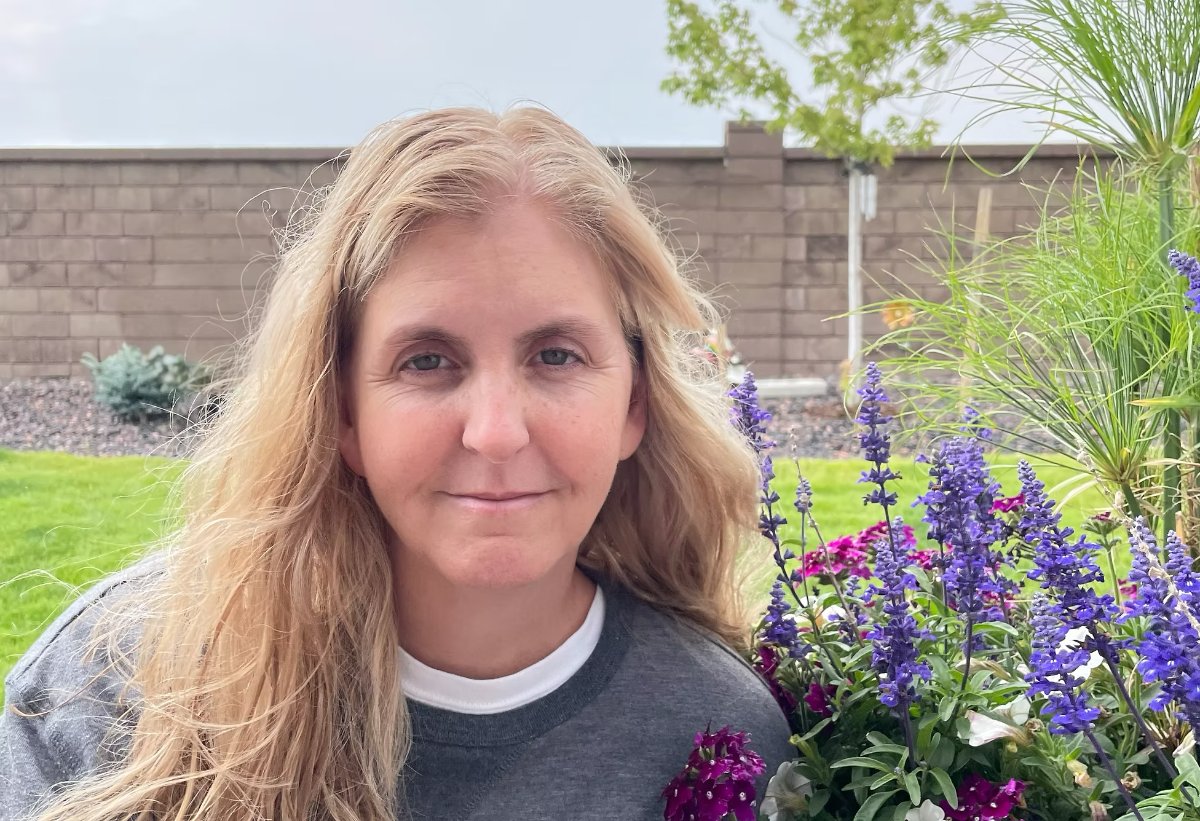
Katherine Hyer
LCSW
About Katherine
License #: 63406I work with adults, teens (13+), and couples who look like they have it all together—but are barely holding on. If you're just trying to get through the day, managing everything on the outside while struggling on the inside, you're not alone. And you're not broken. Maybe you're dealing with constant anxiety, a mind that won't stop racing, anger that surprises you, or a need to control everything around you. Maybe you're avoiding things that used to matter, relying on substances to take the edge off, or just feeling exhausted from trying to keep it all together. I don't just treat symptoms. I help you understand why they're there in the first place. Your symptoms—the anxiety, the anger, the avoidance—aren't the problem. They're your body's way of telling you something needs attention. Something you've been pushing aside or don't fully understand yet. We'll work together to figure out what you're really dealing with underneath the survival mode. Once we understand why your nervous system is responding this way, we can find better ways forward that don't require you to just keep pushing through. No clinical jargon. No, making you feel like a diagnosis. Just practical, evidence-based work that helps you understand what's happening and why—and gives you real tools to feel better. I'm a Licensed Clinical Social Worker (LCSW) with nine years of experience in trauma-informed care. I work with individuals and couples in-person and online throughout TX and Austin using CBT/DBT.
My Therapeutic Approach
I work from a trauma-informed perspective that focuses on understanding why you're struggling, not just managing symptoms. Your anxiety, anger, avoidance, or need for control aren't problems to fix—they're your nervous system trying to protect you. We'll work together to understand what's underneath those responses and find healthier ways to feel safe. I integrate several evidence-based approaches based on what you need: Internal Family Systems (IFS) – Understanding the different parts of yourself that are trying to help (even when they're making things harder) Cognitive Behavioral Therapy (CBT) – Identifying thought patterns that keep you stuck and building practical skills to shift them Dialectical Behavior Therapy (DBT) – Learning to regulate emotions and tolerate distress without making things worse Emotionally Focused Therapy (EFT) – For couples, understanding the patterns that keep you disconnected and rebuilding secure attachment Mindfulness & Nervous System Work – Helping your body feel safe enough to come out of survival mode. I us the filling therapeutic approaches CBT/DBT/IFS/EFT. The goal isn't just to feel better temporarily. It's to understand what's really going on so you can stop just surviving and actually live.
Who I Help Best
Who I Help Best I work with people who look like they have it together but are barely holding on. You show up, get things done—but it's exhausting. You might be: Managing constant anxiety, racing thoughts, or anger that shows up at the worst times. Controlling everything because it's the only way to feel safe. Relying on work, substances, food, shopping, or staying busy to numb out. People-pleasing to exhaustion, unable to say no. Avoiding conflict by withdrawing from relationships. A perfectionist who spirals at any mistake. Going through the motions but feeling disconnected from your life. Waiting for the other shoe to drop, never feeling settled. I especially work well with: Adults who managed others' emotions growing up and never learned to manage their own. Teens are struggling but resistant to traditional therapy. Couples stuck in painful patterns, disconnected, or constantly fighting. My Style I'm direct, interactive, and engaged. I won't just nod—I'll ask hard questions and gently challenge patterns that aren't working. We'll have real conversations about what you're avoiding and why. This work requires you to be active, too. I focus on understanding what's actually happening in your nervous system—not just putting a band-aid on symptoms. If you've been told to "just relax" or traditional therapy felt too clinical, my approach is different.
What a First Session Is Like
The first session is about understanding what's really going on. We'll talk about what brought you in—what's not working, what you've already tried, and what you're hoping will be different. I'll ask questions about your symptoms (anxiety, anger, avoidance, whatever it is) and we'll start connecting the dots about why they're showing up. I'm not going to make you fill out endless paperwork or spend the whole session on your childhood. We'll cover what's relevant to understanding your patterns, but we're focused on what's happening now and what needs to change. You don't need to have everything figured out or know exactly what to say. You can just show up, honest about where you're at. If you're nervous, that's normal—most people are. By the end, you'll have a clearer picture of what we're actually dealing with and how we'll work together. If it doesn't feel like the right fit, that's okay, too. The goal is to figure out if this is going to help. What to bring: Just yourself. If you've been in therapy before or have records you think are relevant, you can share them, but it's not required.
Areas of Expertise
Populations Served
Office Location
Therapy Space - Northwest Hills
6850 Austin Center Boulevard, Suite 320
Austin, TX 78731
Insurance & Fees
Session Rates
Individual Therapy
$145
per 50-minute session
Couples Therapy
$145
per 50-minute session
Insurance Accepted
Please verify coverage with your insurance provider before your first session.
Frequently Asked Questions
Katherine specializes in Anxiety, Couples Therapy, PTSD & Trauma, Relationship Issues, Depression, Addiction, Sexual Abuse, Self-Esteem, Life Transitions. Katherine works with adults, couples, teens (13-17), lgbtq+, veterans, seniors (65+).
About Katherine Hyer, LCSW
Katherine Hyer is a licensed therapist (LCSW, License: 63406) practicing in-person therapy at Therapy Space in Austin, TX.Katherine specializes in Anxiety, Couples Therapy, PTSD & Trauma, Relationship Issues, Depression, Addiction, Sexual Abuse, Self-Esteem, Life Transitions and accepts Blue Cross Blue Shield, Aetna, Self-Pay, Ambetter, Medicare, Optum, United Healthcare. Katherine is currently accepting new clients.Therapy Space provides private, HIPAA-compliant office spaces for mental health professionals.