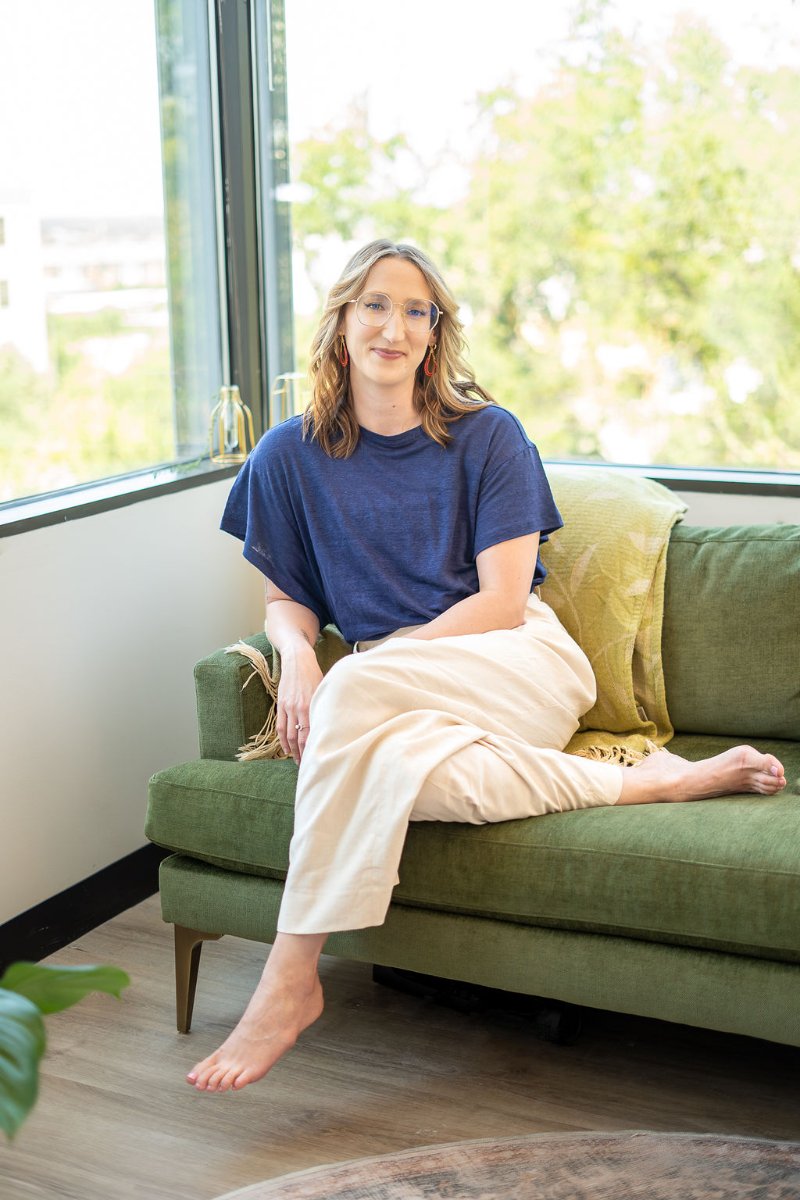
Amanda Stretcher Lewis, MA
LPC-S
About Amanda
License #: 71824I’m Amanda Stretcher, LPC-S—trauma-informed therapist, supervisor, co-founder of Crescent Counseling Dallas, and a big believer that healing doesn’t have to sound like a TED Talk. Most days it looks like a longer exhale, a softer jaw, and a little more choice right in the middle of a messy, ordinary Tuesday. Clinically, my work is relational at the core. I help people learn how to be with themselves and each other more kindly when stress runs high and patience runs low. I value co-regulation as an embodied practice (not a buzzword). I say this a lot: trauma can explain behavior; it doesn’t excuse harm. Safety doesn’t make you soft; it makes you sturdy. Clients often describe feeling “more choiceful” after we work together, less hijacked by triggers, quicker to recover, and more able to enjoy the parts of life that used to require bracing. I’m serious about continuing education because if I’m asking you to do brave work, you deserve a therapist who’s still learning. I’ve trained deeply in Brainspotting, keep Sensorimotor Psychotherapy skills sharp, and stay engaged with polyvagal-informed practice and research that translates into actual tools.
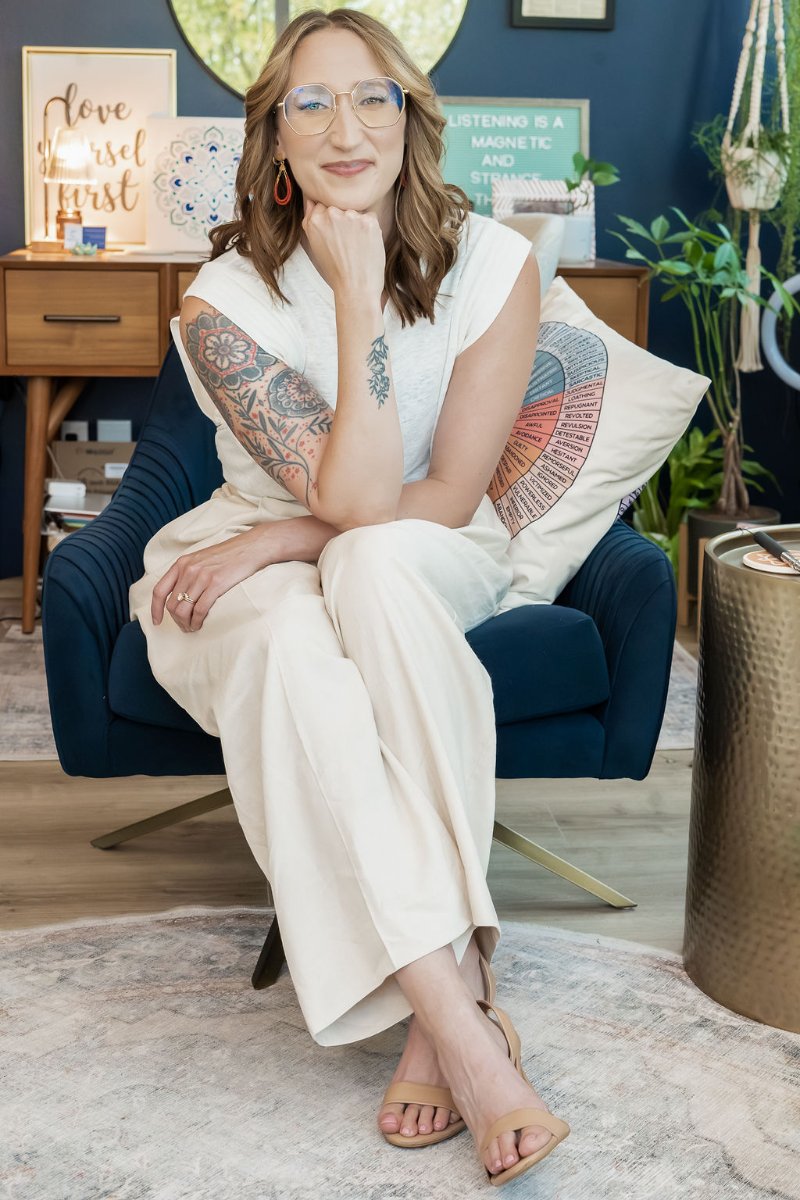
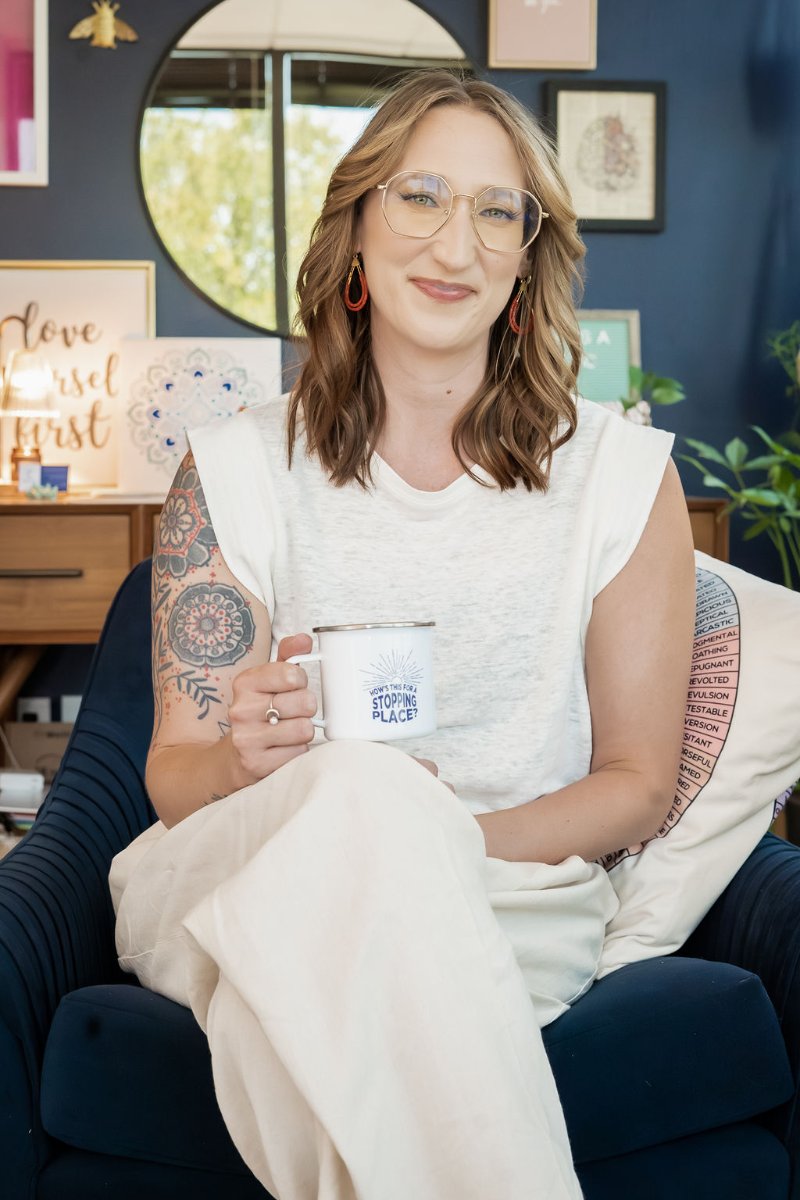
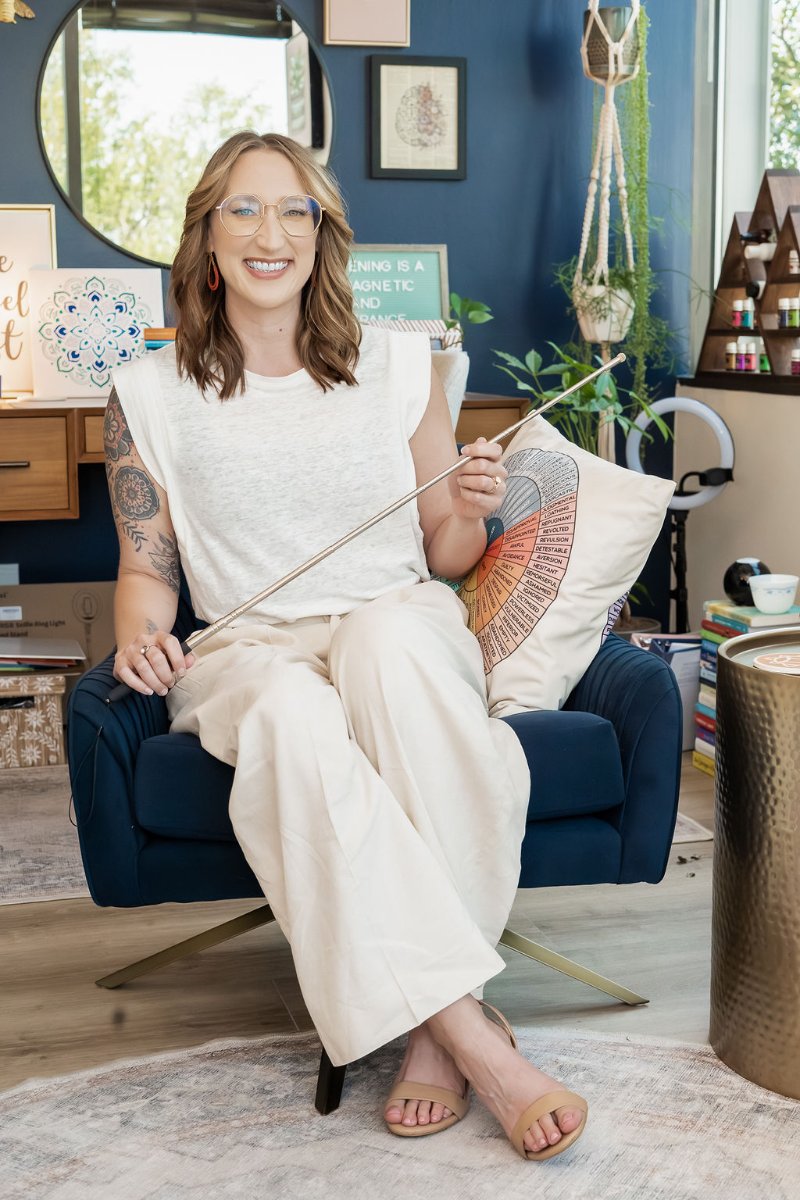
My Therapeutic Approach
My approach blends Brainspotting, Sensorimotor Psychotherapy, Polyvagal-informed care, Interpersonal Neurobiology (IPNB), and both the Safe and Sound Protocol (SSP) and the Rest and Restore Protocol (RRP). Translation: I help your nervous system do the integrating so you don’t have to white-knuckle your way through “talking about it” every week. I’m a certified provider of the Safe and Sound Protocol (SSP), which can gently improve regulation and social engagement. In practice, that often looks like very short, low-volume listening paired with simple orientation and breath work; especially helpful if you overwhelm easily or are rebuilding tolerance for safety. I integrate SSP with Brainspotting and Sensorimotor Psychotherapy skills when it makes sense, always with informed consent and in doses that feel safe enough. A few things that shape my lens: I’m a new mom, and becoming a parent deepened my respect for realistic therapy. Some weeks you have an hour for deep work; some weeks you have seven minutes in your car before a meeting. I celebrate small wins because they build a durable foundation, like an email you didn’t send at 1 a.m., a conversation you had with a kinder tone, a moment on the floor with your kid where you actually felt present.
Who I Help Best
People often find me when they’re high-functioning on paper but not okay in their body. I might be a good fit for you if you notice anxiety that looks like productivity, trauma that looks like “just push through,” grief that won’t move, conflict that fries the system, or attachment patterns that make perfect sense in light of the past but don’t feel good now. I’m especially at home in work touching complex/relational trauma, medical or procedural trauma, body-based anxiety and panic, creative/performance blocks, and the subtle burnout that creeps in when life becomes one long list. What clients tend to appreciate most is the combination of attunement and practicality. I will sit with you in the hard, tracking breath, noticing micro-movements, celebrating a well-timed sigh, and then we’ll translate that into something you can do on a random Thursday when your calendar is stacked and someone Slacks you “quick question?” four minutes before a meeting. I like simple, repeatable practices that go a long way: orienting to the room, finding a stable gaze point, lengthening the exhale, placing a hand on your ribs while you name one feeling and one need. Over time those small, consistent reps change how your system holds the day. If you’re looking for a therapist who blends depth with do-ability, science with softness, and structure with humor, I might be a fit.
What a First Session Is Like
When you work with me, you’ll notice the tone first. I’m knowledgeable without being precious about it. I’ll happily explain how the limbic system and the brainstem talk to each other, but I’ll do it in a way that lands: why your throat tightens in conflict, why you yawn when your body downshifts, why tears can be a green light instead of a failure. We track real-world signs of regulation like warmer hands, softer shoulders, steadier breath, quicker recovery, because insight is wonderful, but state change is what sticks. Pacing matters. There’s a time for deeper processing, and there’s a time for resourcing, Expansion Brainspotting, and “goodness reps” that teach your system it’s allowed to feel okay. If you prefer a quieter approach, the low-talk, body-led work we’ll do can be a relief: you don’t have to deliver a perfect narrative; we let your body lead while we stay attuned and curious. How I run my practice is part of the care. I offer in-person sessions in Dallas and Telehealth across Texas. I use a modern, secure client portal; billing is transparent; and for out-of-network clients I provide superbills and use tools like Reimbursify to make reimbursement less of a headache. I believe in gentle accountability. Yes to a 24-hour cancellation policy, and yes to real-life grace and thoughtful planning when finances or scheduling shift.
Areas of Expertise
Populations Served
Office Location
Therapy Space - Uptown
4040 N Central Expy, Suite 670
Dallas, TX 75204
Insurance & Fees
Session Rates
Individual Therapy
$165
per 50-minute session
Insurance Accepted
Frequently Asked Questions
Amanda specializes in PTSD & Trauma, Anxiety, Sexual Abuse. Amanda works with adults, lgbtq+, veterans, seniors (65+).
About Amanda Stretcher Lewis, MA, LPC-S
Amanda Stretcher Lewis is a licensed therapist (MA, LPC-S, License: 71824) practicing in-person therapy at Therapy Space in Dallas, TX.Amanda specializes in PTSD & Trauma, Anxiety, Sexual Abuse and accepts Self-Pay. Amanda is currently accepting new clients.Therapy Space provides private, HIPAA-compliant office spaces for mental health professionals.